
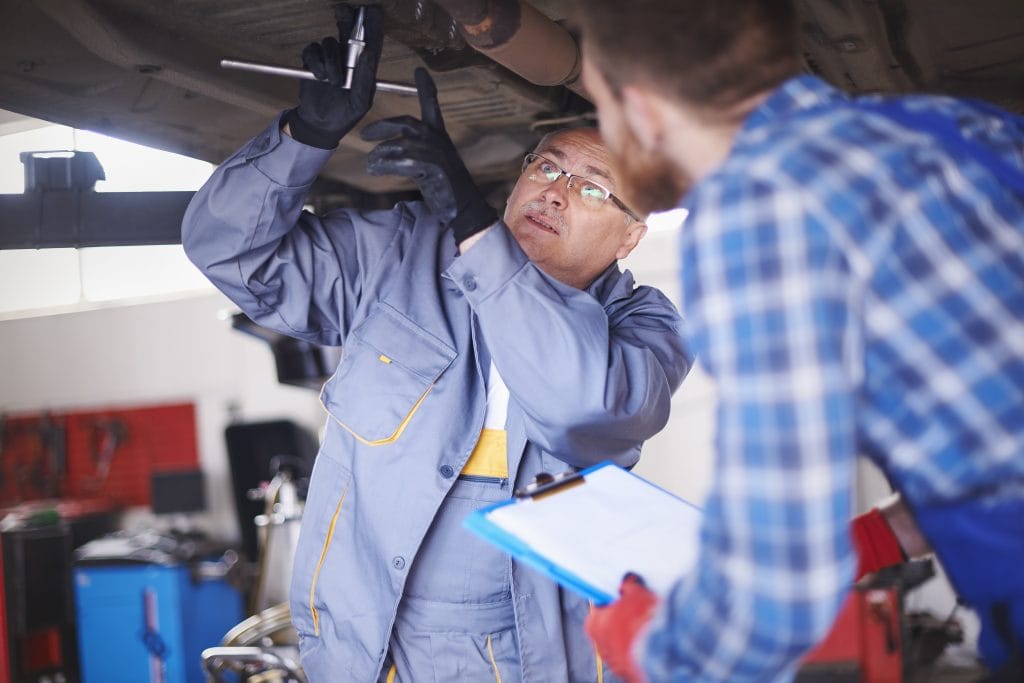
If you hear a rattling sound while driving, it can be unsettling and may indicate that something in your vehicle needs attention. Many drivers wonder why their car makes a rattling noise while driving, especially when the sound appears during acceleration, over bumps, or while idling.
Rattling noises can come from several areas of the vehicle, including the engine, exhaust system, suspension, or even loose components under the hood. While some causes may be minor, others can signal developing mechanical problems. Identifying the source early can help prevent further damage and ensure safe vehicle operation.
For drivers in Fayetteville, understanding the possible causes of rattling noises can help determine when professional inspection is necessary.
When Do You Hear the Rattling Noise?
The timing of the noise can help determine the source of the problem. Some drivers hear rattling only while accelerating, while others notice it when driving over uneven roads or when the vehicle is idling.
Paying attention to when the sound occurs can help narrow down the possible causes and make it easier for a technician to diagnose the issue.
Common Reasons Your Car Makes a Rattling Noise While Driving
Loose Heat Shield
One of the most common causes of rattling sounds is a loose heat shield in the exhaust system. Heat shields protect nearby components from high exhaust temperatures.
Over time, mounting hardware may loosen or corrode, allowing the shield to vibrate against other parts of the vehicle. This can create a rattling sound, especially during acceleration or when driving over rough roads.
Exhaust System Components
The exhaust system runs along the underside of the vehicle and includes several components such as pipes, brackets, and the muffler. If any of these parts become loose or damaged, they may produce rattling noises while driving.
Broken exhaust hangers or loose clamps can allow parts of the exhaust system to move and vibrate.
Drivers may notice the noise becoming louder during acceleration.
Worn Suspension Parts
Suspension components help stabilize the vehicle and absorb road impact. Parts such as bushings, control arms, and sway bar links may wear over time.
When these parts become loose or worn, they can produce rattling or clunking sounds while driving over bumps or uneven roads.
Suspension wear may also affect vehicle handling and ride comfort.
Loose Engine Components
Sometimes rattling noises may come from loose components in the engine compartment. Items such as brackets, covers, or mounting bolts may loosen due to engine vibration over time.
If these parts move while the engine is running, they may produce rattling sounds during driving.
Regular inspection can help identify loose parts before they cause further problems.
AC Compressor Issues
In some cases, rattling noises may come from the AC compressor or related components. The compressor contains moving internal parts that circulate refrigerant through the air conditioning system.
If internal bearings wear out or if the compressor clutch becomes loose, the compressor may produce a rattling sound while the engine is running. This noise may become more noticeable when the air conditioning system is turned on.
AC compressor problems can also affect cooling performance, so they should be inspected promptly.
Signs That the Rattling Noise Needs Inspection
Drivers experiencing rattling noises may notice additional symptoms that indicate a mechanical issue.
Common warning signs include:
• Rattling during acceleration
• Noise when driving over bumps
• Vibrations coming from the engine area
• Reduced vehicle performance
• Unusual sounds when the AC is operating
These symptoms may indicate that one or more components require inspection.
Why Rattling Noises Should Not Be Ignored
Although some rattling noises may be caused by minor issues, others can signal developing mechanical problems. Ignoring unusual vehicle sounds may allow components to become more damaged over time.
Addressing rattling noises early can help prevent more extensive repairs and ensure the vehicle remains safe and reliable.
For drivers in Fayetteville, resolving unusual noises quickly helps maintain smooth driving performance.
How Mobile Mechanics Diagnose Rattling Sounds
Mobile mechanics can inspect the vehicle directly at your location, making it easier to diagnose noises that occur during driving.
During inspection, technicians may examine the exhaust system, check suspension components, inspect engine mounts and brackets, and evaluate AC compressor operation.
These steps help identify the exact source of the rattling noise and determine the appropriate repair.
Benefits of Mobile Mechanic Services in Fayetteville
Mobile mechanic services allow drivers to receive professional vehicle diagnostics without visiting a repair shop. Technicians can inspect the vehicle at your home, workplace, or parking location.
For drivers in Fayetteville experiencing rattling noises, mobile service provides a convenient way to identify the problem and restore proper vehicle operation.
This approach allows drivers to address vehicle concerns while maintaining their daily routine.
If your car makes a rattling noise while driving, the cause may involve a loose heat shield, exhaust system components, worn suspension parts, loose engine components, or issues with the AC compressor. Because unusual vehicle noises can indicate developing mechanical problems, identifying the source early can help prevent further damage.
Professional diagnostics can determine the cause and restore smooth, quiet vehicle performance.
Need Vehicle Noise Inspection in Fayetteville?
If your vehicle produces rattling sounds while driving, professional inspection can help identify the problem quickly.
Mobile Mechanic in Fayetteville, NC provides convenient on-site vehicle diagnostics and repair services throughout Fayetteville.
Schedule service today to have your vehicle inspected and restore smooth driving performance.